
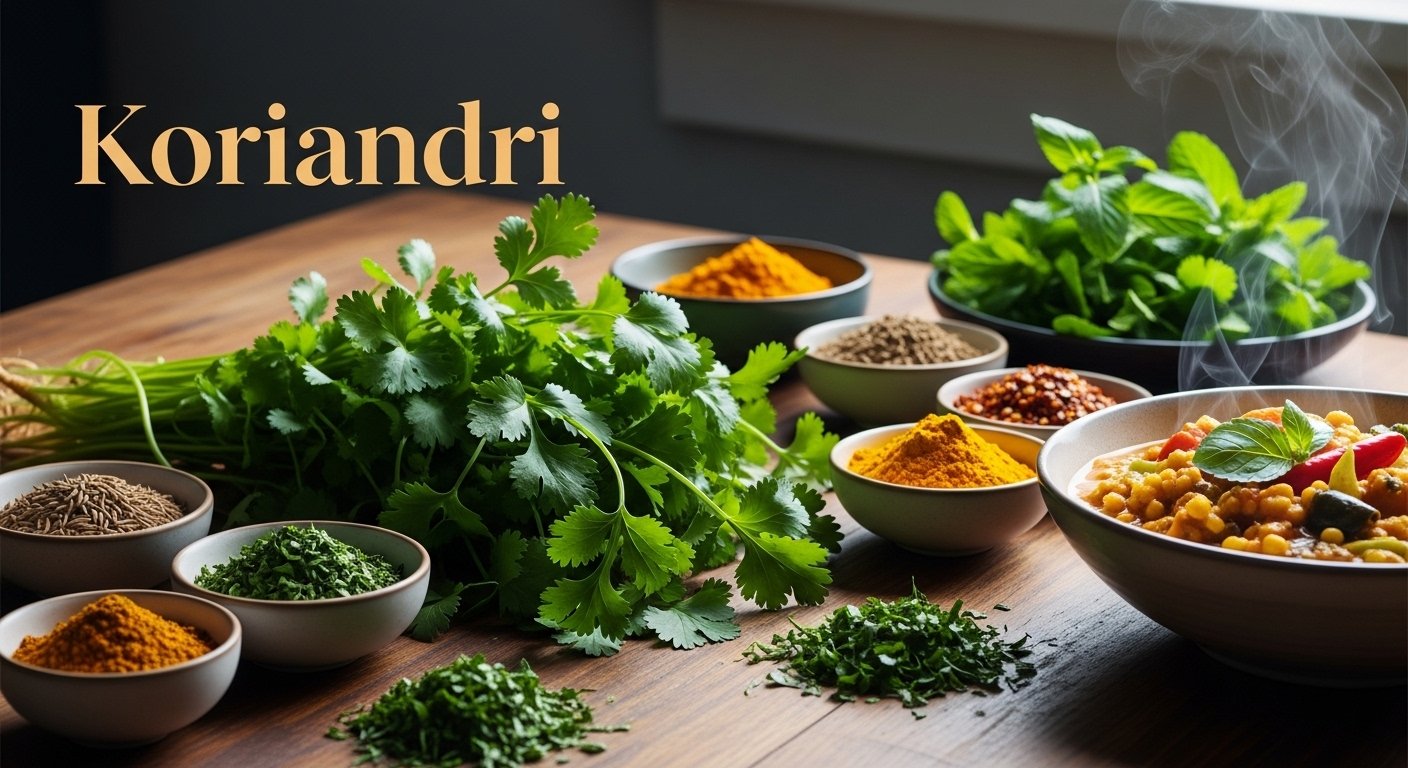
Coriander (koriandri) is a versatile and flavorful herb used worldwide to enhance dishes. It has ancient roots in Mediterranean and Asian cultures and is valued for both its culinary and medicinal uses. Rich in vitamins and antioxidants, it supports digestion, heart health, and immunity. From curries and salsas to soups and drinks, koriandri adds freshness and depth to a wide range of recipes. Its adaptability, health benefits, and unique taste make it an essential ingredient for elevating everyday meals.
If you’re looking to elevate your culinary creations, look no further than koriandri. This vibrant herb is more than just a garnish; it’s a powerhouse of flavor that can transform ordinary dishes into extraordinary experiences. With its unique aroma and distinct taste, koriandri has captured the hearts—and palates—of food lovers worldwide. Whether you’re an experienced chef or a home cook experimenting with new ingredients, this versatile herb deserves a spot in your kitchen pantry. Let’s embark on a flavorful journey through the origins, benefits, and culinary uses of koriandri that will inspire you to sprinkle some magic into your meals!
Origins and History of Koriandri
Koriandri, also known as coriander or cilantro, has a rich history that dates back thousands of years. Its origins can be traced to the Mediterranean region and parts of Asia. Ancient Egyptians used it in their embalming process and valued it for its medicinal properties.
As trade routes expanded, koriandri spread across Europe and into India. It became a staple in various cuisines due to its distinctive flavor profile. In ancient Rome, people believed it had aphrodisiac qualities.
Culinary uses evolved over time. Today, koriandri is embraced worldwide—from salsas in Mexico to curries in India. Each culture highlights its unique taste while celebrating this versatile herb’s vibrant green leaves and aromatic seeds.
Its historical significance reflects not only culinary practices but also cultural beliefs surrounding health and wellness throughout different ages. The enduring popularity of koriandri showcases its timeless appeal across generations.
Nutritional Benefits of Koriandri
Koriandri, also known as coriander, is more than just a flavorful herb. Packed with essential nutrients, it offers numerous health benefits.
Rich in vitamins A, C, and K, koriandri supports immunity and skin health. Its antioxidant properties help combat free radicals in the body.
This vibrant herb also aids digestion. It contains compounds that can soothe indigestion and reduce bloating.
Moreover, koriandri may have anti-inflammatory effects. Regular consumption could potentially lower inflammation markers in the body.
Additionally, this herb has been linked to heart health. It may help regulate cholesterol levels and improve overall cardiovascular function.
With such diverse nutritional advantages, incorporating koriandri into your diet is not only delicious but beneficial for your well-being too.
Versatility in Cooking with Koriandri
Koriandri, commonly known as coriander, is a culinary chameleon. Its fresh leaves and seeds both possess distinct flavors that can elevate any dish.
Fresh cilantro adds brightness to salads and salsas. It balances rich flavors in curries or tacos effortlessly. A sprinkle of chopped koriandri transforms even the simplest recipes into something extraordinary.
On the other hand, ground coriander seeds deliver warmth and depth. Use it in spice blends for meats or vegetables to create comforting dishes with an aromatic twist.
The herb also shines in beverages. Mix fresh koriandri leaves into smoothies for a refreshing kick or steep them in teas for unique flavor profiles.
Experimenting with koriandri opens up endless possibilities. Whether it’s sprinkled atop soups or blended into sauces, this herb adapts beautifully across cuisines and cooking styles.
Traditional Dishes that Feature Koriandri
Koriandri, known for its distinct flavor, is a staple in many traditional dishes across cultures. In Indian cuisine, you’ll find it sprinkled generously over curries and lentil dals, enhancing their aroma and taste.
Moving to the Middle East, koriandri finds its way into fresh salads and tabbouleh. It brightens up the dish with a refreshing kick that complements tomatoes and parsley beautifully.
In Mexican cooking, this herb shines in salsas and guacamoles. Its zesty notes balance out spicy elements perfectly.
Even within Asian recipes like Thai soups or Vietnamese pho, koriandri adds depth. The vibrant green leaves elevate these meals with both color and flavor.
Whether used as a garnish or cooked into sauces, koriandri transforms each dish into something extraordinary. Each culture showcases its versatility while paying homage to this cherished herb.
Unique Ways to Incorporate Koriandri into Your Meals
Koriandri can elevate your culinary creations in unexpected ways. Try blending it into a vibrant pesto. Combine fresh koriandri, nuts, garlic, and olive oil for a punchy sauce that pairs beautifully with pasta or grilled vegetables.
For breakfast lovers, consider adding chopped koriandri to scrambled eggs or avocado toast. It adds a refreshing zing that enlivens your morning routine.
If you’re adventurous, infuse koriandri into homemade dressings. A simple vinaigrette with lemon juice, olive oil, and minced koriandri will enhance salads like never before.
Don’t forget about beverages! Koriandri can be muddled into cocktails for an aromatic twist—think mojitos or gin-based drinks.
Experimenting with infused oils is another great way to incorporate this herb. Drizzle over dishes just before serving to add depth of flavor and aroma.
Where to Find and How to Store Koriandri
Koriandri can be found at most grocery stores, particularly in the produce section. Fresh bunches are often placed alongside other herbs like parsley and basil. It’s essential to look for vibrant green leaves without any wilting or browning.
If you prefer dried koriandri, check the spice aisle. You’ll typically find whole seeds or ground options available. Whole seeds tend to have a more robust flavor compared to pre-ground varieties.
Storing fresh koriandri is simple. Trim the stems and place them upright in a glass of water, covering the leaves loosely with a plastic bag. This method keeps it fresh for longer.
For dried koriandri, keep it in an airtight container away from direct sunlight and moisture. A cool pantry shelf works wonders for maintaining its flavor profile over time.
Conclusion
Koriandri is more than just an herb; it’s a culinary treasure that has stood the test of time. Its rich history, vibrant flavor, and impressive nutritional profile make it a must-have in any kitchen. From traditional dishes to creative new recipes, koriandri offers endless possibilities for enhancing your meals.
With its unique aroma and taste, this herb can transform simple ingredients into gourmet experiences. Whether you’re sprinkling fresh leaves on tacos or blending seeds into spice mixes, koriandri adds depth and character to various cuisines.
Finding quality koriandri is straightforward; local markets often stock fresh bunches, while dried versions are available in most grocery stores. Proper storage will ensure that you enjoy its flavors at their peak—keep it dry and cool to maintain freshness.
Embrace the versatility of koriandri in your cooking adventures. Experiment with different ways to incorporate this remarkable herb into your favorite dishes. You might discover new favorites along the way!