
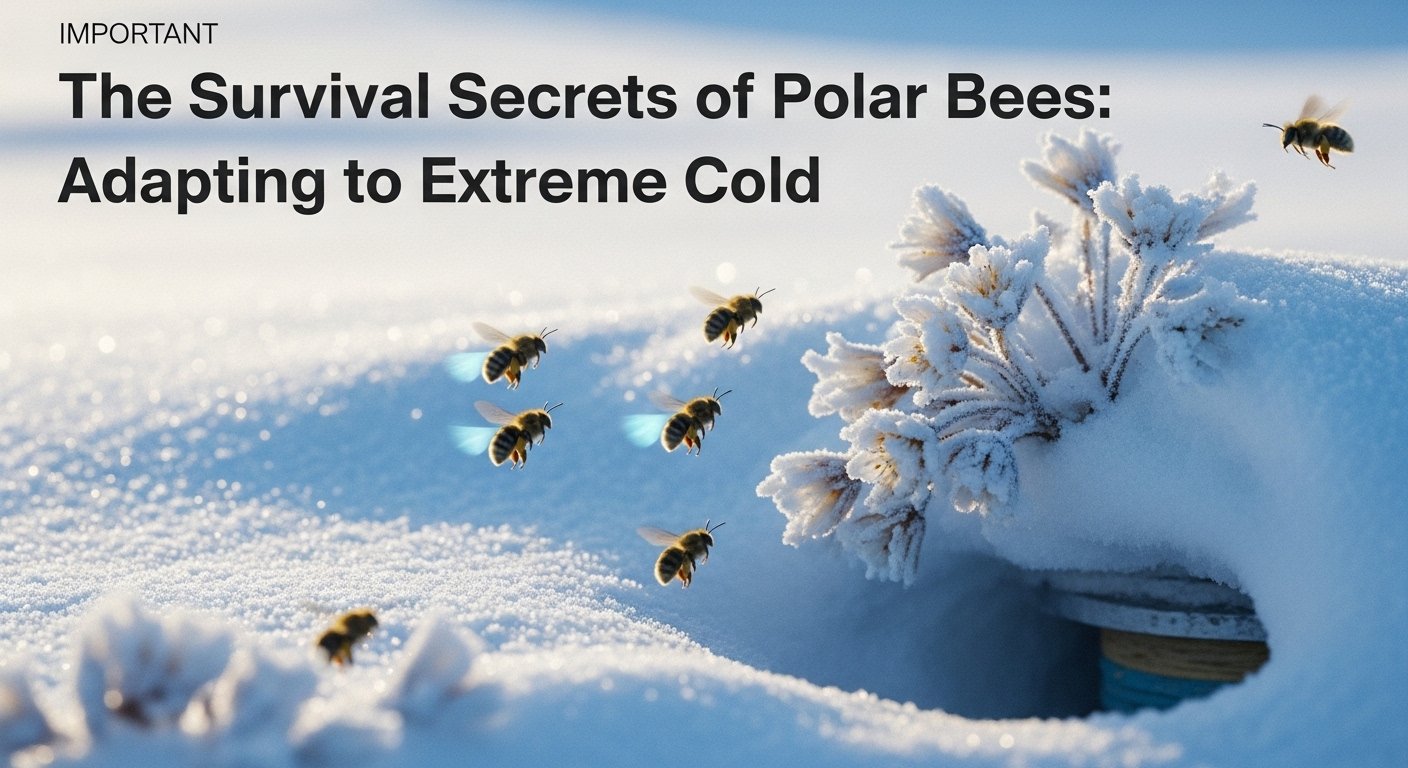
Polar bees are uniquely adapted insects that survive in extreme Arctic conditions through specialized physical and behavioral traits. They use insulation, antifreeze-like proteins, and energy-efficient metabolism to withstand freezing temperatures.
Their survival also depends on hibernation strategies and strong colony organization, where cooperation helps maintain warmth and resource management. Polar bees play a vital role in pollinating Arctic plants and supporting fragile ecosystems.
However, climate change and environmental threats put them at risk, making conservation efforts essential to protect their future and ecological balance.
In the icy landscapes of the Arctic, a remarkable phenomenon unfolds. Polar bees, those tiny yet resilient creatures, thrive in some of the planet’s most unforgiving environments. While many species struggle to survive amid frigid temperatures and relentless winds, these industrious insects have developed extraordinary survival strategies that allow them to navigate their harsh surroundings.
Imagine buzzing through snow-covered fields or nestled within frost-laden flowers—polar bees do just that. Their world is one where adaptability reigns supreme and community bonds are vital for survival. Understanding how they manage life on the edge offers inspiring insights into nature’s ingenuity. Join us as we delve deeper into their incredible existence and uncover the secrets behind polar bees’ exceptional adaptations to extreme cold conditions.
The challenges of surviving in extreme cold conditions
Surviving in extreme cold conditions poses significant challenges for polar bees. Temperatures can plunge to mind-numbing lows, making the environment inhospitable.
Finding food becomes a daunting task when flowers are scarce under layers of snow and ice. These resilient insects must rely on stored resources or venture out into frigid air to seek nourishment.
The cold also affects their physiology. Polar bees need to generate heat to maintain body temperature, which is energy-intensive. This demand requires efficient metabolism and resource management.
Moreover, harsh winds can make foraging perilous. The strong gusts not only chill but also create unstable flying conditions, leading bees to risk exhaustion during their search for sustenance.
Navigating such challenges tests their resilience and adaptability continuously as they strive to thrive in one of Earth’s most unforgiving environments.
Unique adaptations of Polar Bees
Polar bees have evolved remarkable adaptations that enable them to thrive in frigid environments. One notable feature is their thick, hairy bodies that provide insulation against biting winds and freezing temperatures. This natural coat traps air close to their bodies, acting as a barrier.
Their ability to produce antifreeze proteins allows polar bees to maintain fluidity in their bodily functions even when the mercury drops dangerously low. This adaptation is crucial for survival during extreme cold spells.
Moreover, these bees exhibit unique behavioral patterns. They often forage actively on warm days or during brief periods of sunlight, maximizing their energy intake while minimizing exposure to harsh conditions.
Another fascinating trait is their efficient communication system within colonies. Polar bees use distinct pheromones and dances tailored for Arctic settings, ensuring everyone stays coordinated despite the challenges posed by the unforgiving climate.
Hibernation strategies for survival
Hibernation is a critical survival strategy for polar bees, allowing them to endure the harsh Arctic winters. As temperatures plunge and food sources dwindle, their bodies enter a state of dormancy.
During this time, these resilient insects seek shelter in insulated crevices or under layers of snow. This protects them from extreme cold and wind chill.
Their metabolism slows significantly, conserving energy until warmer days return. Remarkably, some species can survive without food for months by relying on stored fat reserves.
The communal aspect enhances their survival chances too. Polar bees often huddle together in clusters during hibernation, sharing body heat to stay warm. This social behavior acts like an internal heating system that creates a microenvironment conducive to surviving freezing conditions.
When spring arrives, they awaken gradually as temperatures rise and flowers bloom once more. The cycle begins anew with renewed vigor and purpose.
Bee colonies and social organization in the Arctic
Polar bees exhibit fascinating social structures that help them thrive in Arctic conditions. Despite the frigid environment, these bees have developed intricate colonies where cooperation is crucial for survival.
Each colony operates with a clear hierarchy. At its center lies the queen, responsible for reproduction and maintaining order among her workers. These worker bees play different roles, from foraging to caring for larvae, ensuring that every task is covered even in harsh weather.
Communication within polar bee colonies is essential. They use pheromones and vibrations to relay messages about food sources or potential threats. This ability to coordinate helps strengthen their community bonds and enhance efficiency.
The tight-knit organization of these colonies allows polar bees to gather resources effectively during short summers while adapting quickly when winters approach. Such resilience showcases their remarkable capacity to function as a unit despite extreme challenges.
Importance of Polar Bees in the ecosystem
Polar bees play a crucial role in their frigid ecosystems. As pollinators, they contribute to the reproduction of various Arctic plants. These plants often have short growing seasons and rely heavily on effective pollination.
In addition to aiding plant life, polar bees serve as a food source for other wildlife. Birds and small mammals depend on them during the brief summer months when resources are scarce.
Their presence helps maintain biodiversity in these harsh environments. By ensuring that flowering plants thrive, polar bees indirectly support entire food webs.
Moreover, studying these resilient insects offers insights into how species adapt to climate extremes. Understanding their survival strategies could inform conservation efforts not just for polar bees but also for other organisms facing environmental changes worldwide. Their unique adaptations highlight the interconnectedness of life even in one of Earth’s most challenging climates.
Future threats and conservation efforts
Polar bees face significant threats due to climate change. As temperatures rise, their icy habitats are shrinking. This leads to a loss of food sources and nesting areas.
Pesticide use is another danger. Chemicals disrupt their foraging patterns and can even be fatal. Increased human activity in the Arctic poses additional risks, introducing pollutants into fragile ecosystems.
Conservation efforts are crucial for their survival. Protecting habitats through designated reserves helps ensure these bees have safe spaces to thrive.
Educating local communities about polar bee importance fosters support for preservation initiatives. Researchers are also studying how these bees adapt, aiming to develop strategies that enhance their resilience against changing conditions.
Collaborative efforts between governments and organizations can drive impactful changes, ensuring that polar bees continue pollinating the Arctic landscape for generations to come.
Conclusion
Polar bees are remarkable creatures that have adapted to one of the harshest environments on Earth. Their ability to thrive in extreme cold is a testament to nature’s ingenuity. With specialized body structures, behaviors, and social systems, these bees showcase resilience that inspires awe.
As we delve deeper into their world, it becomes clear how crucial they are for our ecosystem. They play a significant role in pollination, supporting not just plant life but entire food webs. However, as climate change progresses and habitats shift or disappear, polar bees face unprecedented threats.
Conservation efforts must be prioritized to ensure their survival and the health of Arctic ecosystems. Understanding polar bees is essential—not only does it highlight the wonders of adaptation in nature but also emphasizes our responsibility to protect these vital species for future generations. The survival secrets of polar bees offer valuable lessons about resilience and interdependence within our planet’s delicate balance.